PSLE Tuition Versus Self Study: What Works?
A child can spend two hours at the desk and still leave one fraction question blank, misread an English comprehension inference, or write a Science answer that loses marks for missing keywords. That is the real decision behind PSLE tuition versus self study. It is not simply about working harder. It is about whether your child has the structure, feedback, and exam strategy needed to turn effort into marks.
For many Singapore families, self-study is a sensible starting point. It is flexible, affordable, and can build independence. Yet PSLE is also a high-stakes examination with specific question demands. When a child repeatedly makes the same errors without knowing why, more practice alone may not produce better grades.
PSLE Tuition Versus Self Study: The Core Difference
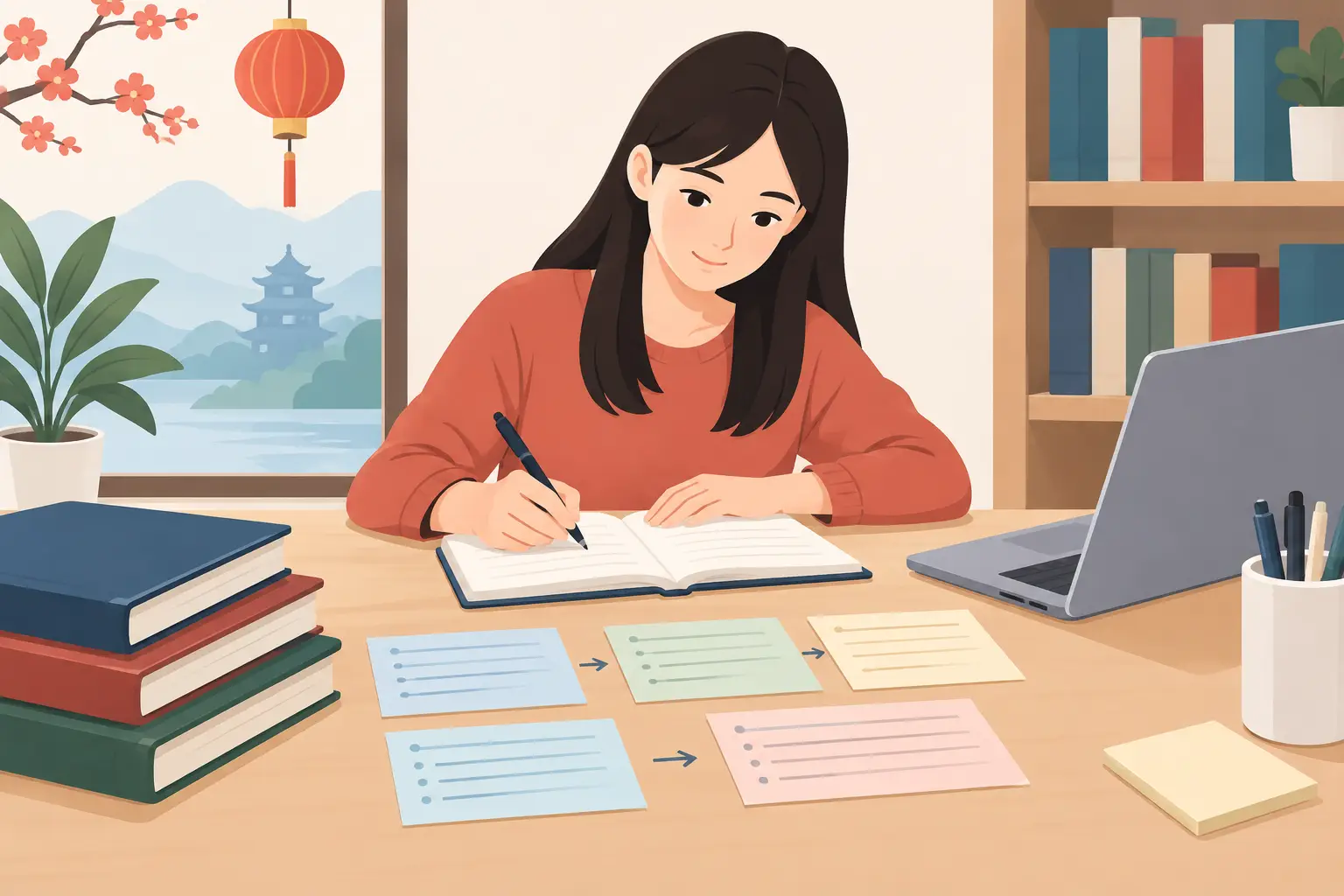
Self-study places the child in charge of planning revision, finding explanations, checking work, and staying consistent. This can work very well for students who already understand their school lessons, recognize their weak areas, and can correct mistakes accurately. A motivated student with good foundations may only need a revision timetable, quality practice papers, and occasional guidance from a parent or teacher.
Tuition adds a trained educator, a lesson structure, and external accountability. The goal is not to replace a child’s own effort. The goal is to make that effort more targeted. Instead of completing ten worksheets and hoping for improvement, a student learns why a question was wrong, which method applies, and how to avoid the same trap in the next paper.
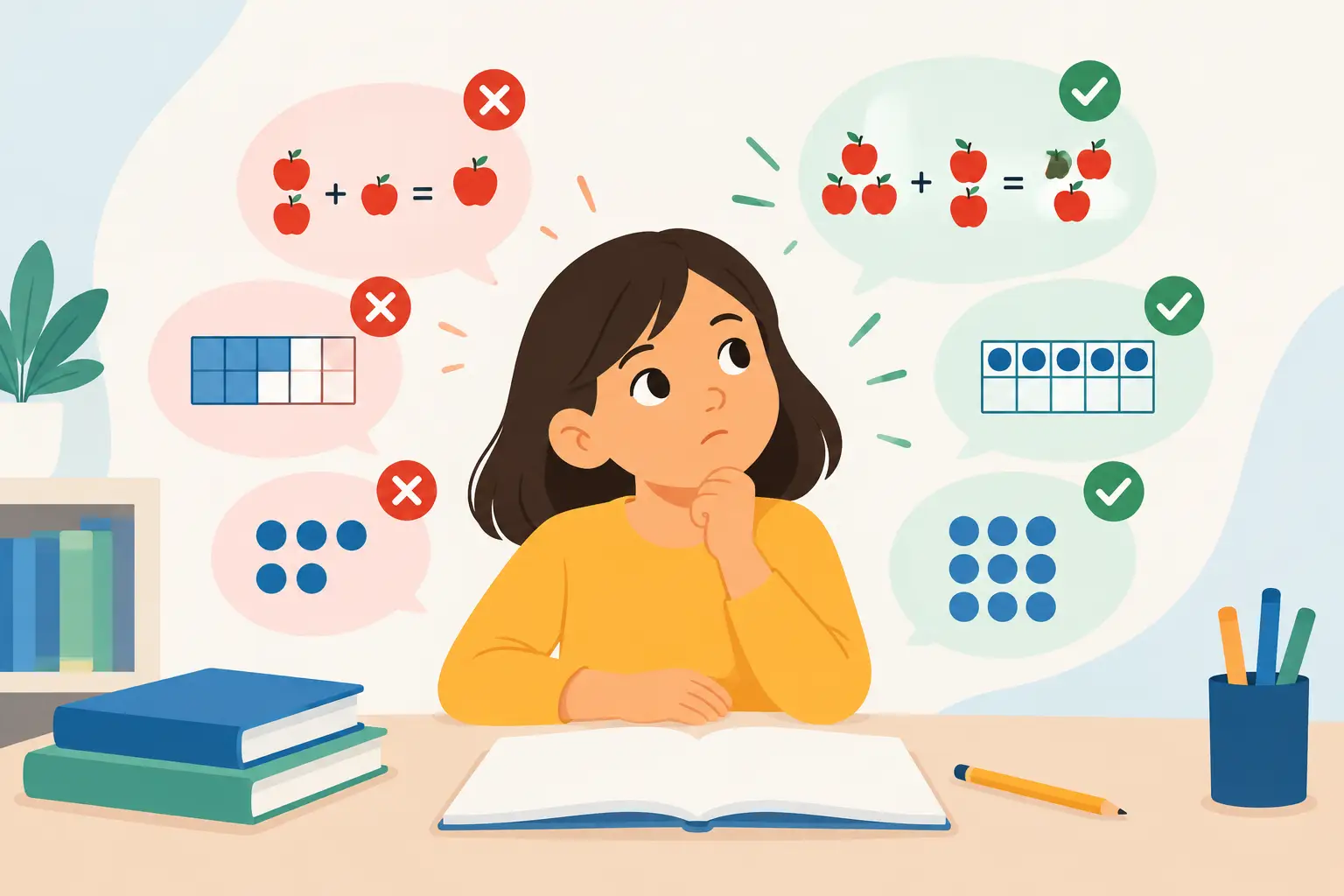
The difference becomes especially clear when school results have plateaued. A child may be studying regularly but remain stuck because of weak foundations, unclear answering techniques, poor time management, or gaps that are not obvious from a score alone.
When Self-Study Can Be Enough
Self-study can be effective when it is active rather than passive. Reading notes repeatedly or watching solution videos may feel productive, but it does not always reveal whether a child can apply concepts under timed conditions. Strong independent learners test themselves, mark honestly, record recurring mistakes, and revisit topics until they can explain the method clearly.
It is often a good fit for a student who is already performing consistently, has manageable doubts, and responds well to routines. For example, a child who scores strongly in Math but occasionally slips on careless errors may benefit more from timed practice, a mistake log, and disciplined checking than from additional weekly lessons.
Parents should also consider the child’s temperament. Some children genuinely enjoy organizing their own revision and feel more confident when they solve problems independently. In that case, tuition should not become unnecessary pressure. The best support is the support that improves learning without draining motivation.
However, self-study requires more parental involvement than families sometimes expect. Someone still needs to notice when the child avoids a difficult topic, accepts an incomplete answer, or spends too long on questions that should be manageable. If every revision session turns into a parent-child argument, the arrangement may not be sustainable.
Where Tuition Makes a Measurable Difference
Tuition is most valuable when a child needs diagnosis, not just more materials. An experienced teacher can identify whether a Math issue comes from fractions, algebraic thinking, ratio methods, or question interpretation. In English, the challenge may not be vocabulary at all. It may be weak inference, imprecise editing, or an inability to develop ideas in composition writing.
For PSLE Science, students often know the content but lose marks in open-ended questions. They may state a fact without explaining the cause-and-effect relationship, use an everyday phrase instead of the required scientific term, or miss part of a multi-step question. Targeted teaching helps students practice how to construct answers that meet marking requirements.
A good tuition program also creates a regular feedback loop. The teacher explains a concept, observes how the student applies it, corrects misconceptions early, and provides practice at the right difficulty. That sequence matters. Giving a struggling child harder papers before fixing a foundation gap can lower confidence without improving performance.
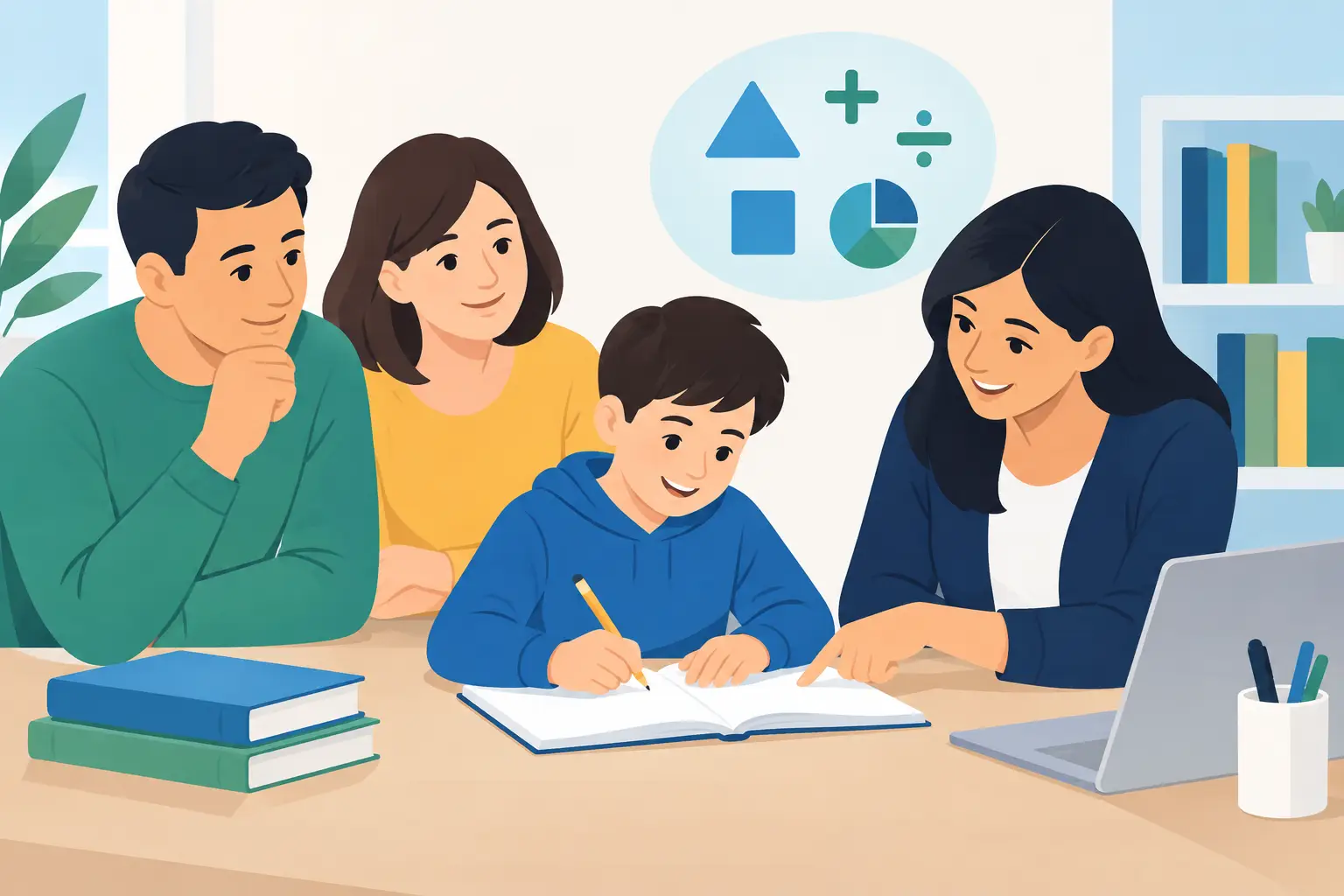
Small-group tuition offers another advantage: students can ask questions they may hesitate to raise in a busy classroom. They also learn from common mistakes made by peers, while still receiving enough attention to stay on track. For families seeking expert guidance without the cost of one-to-one private tutoring, this can be a practical middle ground.
The Subject Matters
The choice between tuition and self-study does not have to be all or nothing. A child may be independent in one subject and need structured support in another.
English and Chinese
Languages require consistent exposure, but PSLE performance also depends on technique. For English, students need to interpret comprehension questions accurately, edit with care, and write compositions with clear ideas, organization, and language control. Simply reading more helps, but it may not address why a composition stays at the same grade.
Chinese can present a similar challenge. A student may recognize vocabulary yet struggle to use it naturally in written responses or understand the demands of comprehension passages. Teacher feedback is particularly useful because language errors are often subtle and repeated.
Mathematics
Math rewards independent practice, provided the child is practicing the right methods. Students should be able to explain why they chose a model, equation, or ratio approach, not just copy a solution after seeing it. Tuition is helpful when a child keeps getting stuck at the first step, uses inefficient methods, or cannot transfer a familiar skill to a new question type.
Science
Science revision can look deceptively simple because students can memorize definitions and processes. PSLE questions test application. Students must connect concepts, interpret information, and use precise keywords in open-ended answers. Guided marking and answer analysis can quickly reveal whether a child knows the topic or merely recognizes it.
Cost, Time, and the Pressure Question
Self-study is usually the lower-cost option, but the cheapest route is not always the most efficient one. If a child is spending months revising incorrectly, becoming discouraged, and still not improving, the hidden cost is time and confidence. On the other hand, adding tuition to an already overloaded schedule can create fatigue and leave too little time for independent consolidation.
The right tuition program should make home revision clearer, not heavier. Students should leave lessons knowing what to practice, how to practice it, and what to do when they meet a difficult question. They still need personal study time because progress comes from repeated application, not from attending lessons alone.
Before enrolling, parents should ask practical questions. Does the class size allow real feedback? Does the teacher explain errors instead of only giving answers? Is there support for homework questions and paper marking? Are lessons aligned with the child’s current needs, whether that is rebuilding foundations or pushing from an A to a High A?
At Everyday Tuition, small-class lessons led by experienced educators are designed around that balance: stronger concepts, smarter answering techniques, and focused practice for school and PSLE exams. The purpose is to give students a clearer path forward, not to keep them dependent on tuition forever.
A Better Decision Starts With Evidence
Rather than choosing based on what other families are doing, look at your child’s recent work. Review two or three school papers, not just the final grades. Are mistakes mostly careless, or do they reveal missing concepts? Can your child explain the answer after a correction? Do they know how to plan revision without constant reminders? Is confidence falling even though effort is increasing?
If the answers show strong understanding and self-discipline, self-study may be enough with a focused routine. If the same mistakes keep returning, lessons end in confusion, or exam techniques are holding back a capable child, tuition can provide the missing structure.
The best PSLE preparation is not the busiest schedule. It is the one that helps your child understand more, make fewer repeated errors, and walk into the examination room knowing exactly how to approach the paper.