MOE Versus Private Tutors: What Helps Most?
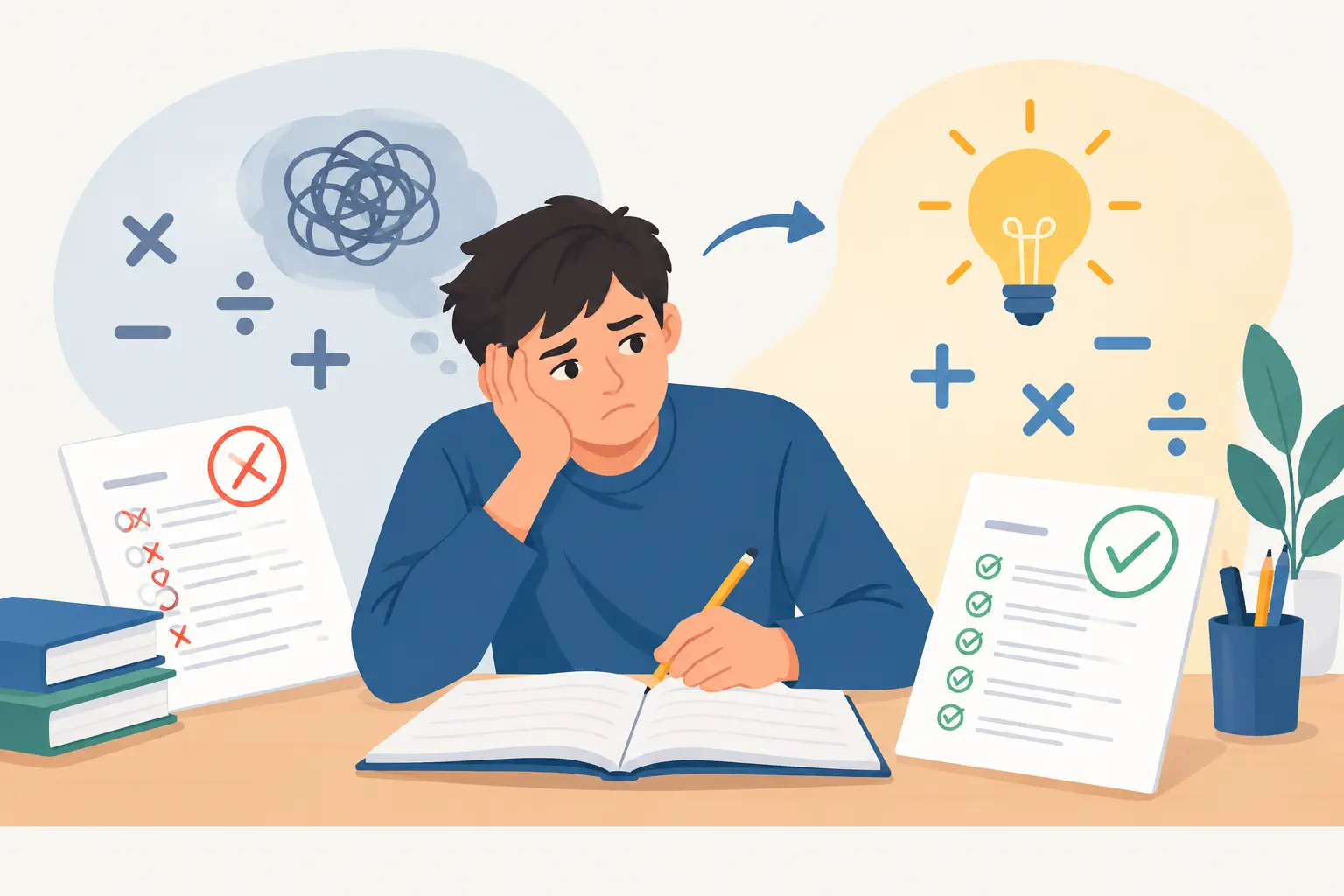
A child can understand a topic in class, complete the homework, and still lose marks when the exam paper changes the question. That gap is why parents weigh MOE versus private tutors so carefully. The real question is not which option sounds more impressive. It is which teacher, setting, and support system will help your child build stronger concepts, apply them under pressure, and improve where it counts.
For Singapore families, this decision often becomes more urgent before major school assessments and the PSLE. A good tutor should do more than keep a child busy after school. They should identify the exact cause of weak performance, teach a clear method, and give feedback that turns repeated mistakes into better habits.
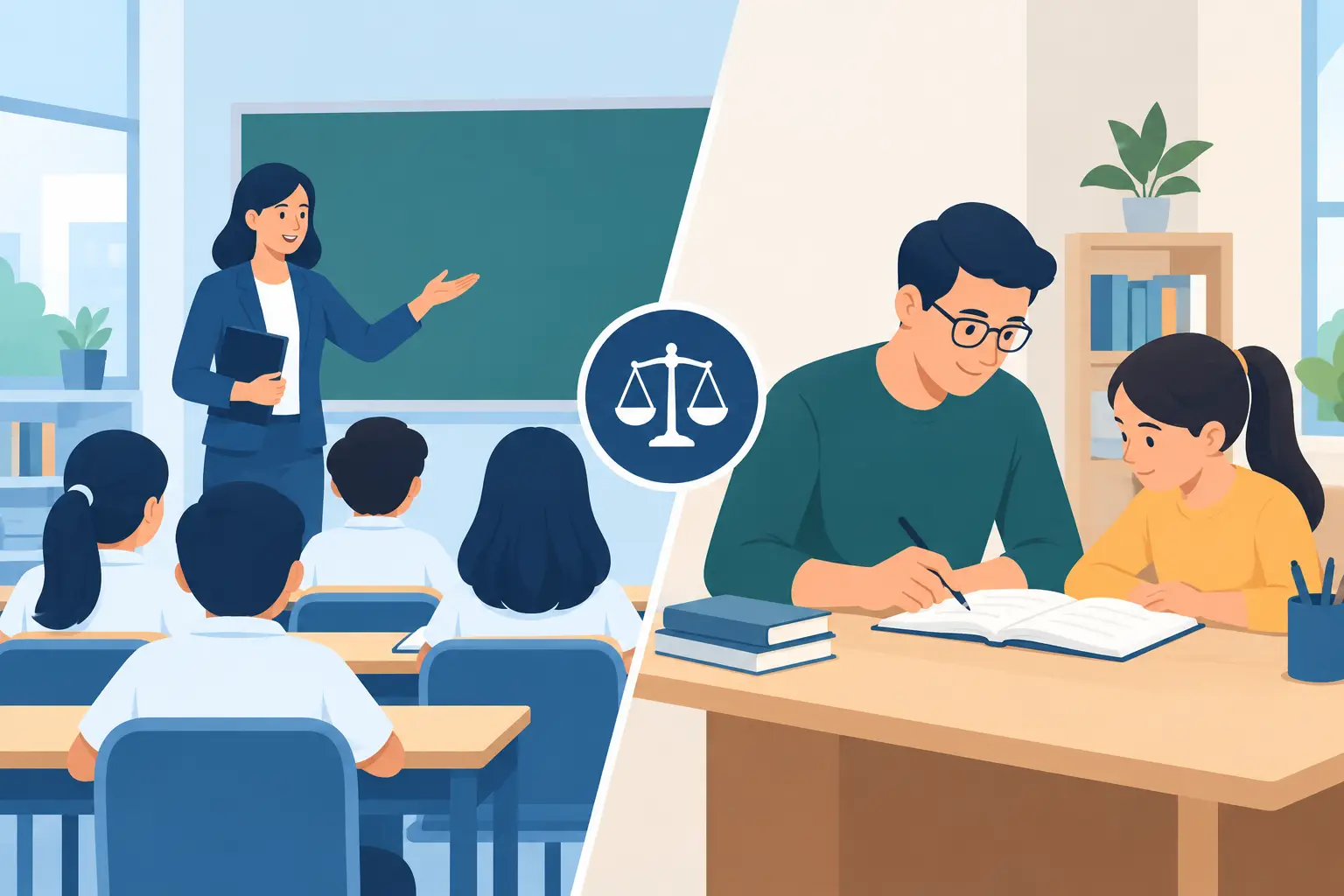
MOE Versus Private Tutors: What Is the Difference?
When parents refer to MOE tutors, they usually mean current or former Ministry of Education teachers. These educators have taught within Singapore schools and are familiar with the syllabus, classroom expectations, school assessments, and common examination challenges. An ex-MOE teacher may bring valuable experience in sequencing lessons, spotting learning gaps, and preparing students for the way questions are set and marked.
Private tutors are independent educators who may teach one-to-one at home, online, or in another setting. Their backgrounds vary widely. Some are highly experienced former teachers, while others are university students, working professionals, full-time tutors, or subject specialists. A private tutor can be an excellent choice, but credentials, teaching methods, and consistency need to be checked carefully.
The label alone does not determine quality. An ex-MOE teacher is not automatically the best fit for every child, and a private tutor without school teaching experience is not automatically ineffective. What matters is whether the educator can teach the right skills at the right level and show a clear plan for progress.
The Value of MOE Teaching Experience
MOE teaching experience can make a meaningful difference when a student needs structure. Teachers who have worked in schools understand that a low score may not come from one single weakness. A student may struggle with comprehension because of vocabulary, inference, answer precision, and time management all at once. In Mathematics, a child may know the formula but fail to translate a word problem into the right steps.
Experienced school educators are often trained to break a subject into teachable components. This is especially useful for students who say, “I studied, but I do not know why I still got it wrong.” They can revisit foundations without losing sight of the examination standard the student needs to reach.
For English, that may mean working systematically on comprehension techniques, editing rules, and composition planning instead of simply assigning another essay. For Math, it may mean correcting gaps in fractions, ratios, algebra, or problem-solving before moving into harder questions. For Science, it means teaching students how to use accurate keywords and explain cause-and-effect clearly in open-ended answers.
That said, classroom experience alone is not enough. A teacher who is excellent with a full class of 35 students must still be able to adapt their approach when tutoring a child with specific needs. Parents should look for educators who diagnose mistakes, explain ideas in more than one way, and provide targeted practice with feedback.
Where Private Tutors Can Be a Strong Fit
The greatest advantage of a one-to-one private tutor is focused attention. In a personalized session, the tutor can spend the entire lesson on one child’s weakest areas, move at the student’s pace, and adjust immediately when confusion appears. This can help a student who is very far behind, has an unusual school schedule, or needs intensive support before an exam.
Some students also benefit from the comfort of learning with one trusted teacher. A quieter child may ask more questions privately than in a group. A high-performing student may want challenging extension work that moves beyond the pace of a regular class. When the tutor is skilled, reliable, and well prepared, individual tuition can produce highly focused learning.
But private tuition comes with trade-offs. It is usually the more expensive option, and the quality can vary significantly from tutor to tutor. A parent may pay a premium for convenience without knowing whether the tutor has a structured curriculum, current subject knowledge, or an effective way to mark and explain errors.
One-to-one lessons can also become overly dependent on the tutor. If the tutor gives too much help, the child may complete worksheets successfully during class but struggle alone in an exam. Strong tutoring should gradually build independence, not create reliance.
Small-Group Tuition Offers a Practical Middle Ground
For many families, a small, well-run group class offers the best balance between personal attention and value. Students receive direct teaching, guided practice, and regular feedback without the cost of private one-to-one lessons. They also learn that they are not alone in finding certain questions difficult, which can build confidence.
The key phrase is “small, well-run.” A large class where students receive little correction is not a substitute for meaningful tuition. In a focused small group, the teacher should know each student’s common mistakes, check work closely, and provide appropriate help during the lesson.
There is another benefit: students hear different questions and explanations from their peers. A child who understands a Math method may strengthen that understanding by explaining it. Another student may ask the exact question your child was too hesitant to raise. This creates active learning rather than passive note-taking.
At Everyday Tuition, small classes are designed around this balance: experienced ex-MOE and doctorate-qualified educators, structured subject methods, and direct support for homework questions and paper marking. The aim is straightforward – stronger concepts, smarter exam decisions, and better grades that students can sustain.
Compare Teaching Quality, Not Just Qualifications
When deciding between MOE versus private tutors, parents should look beyond titles. Ask how the teacher will assess your child’s current level, what skills will be taught first, and how progress will be tracked. A strong answer should be specific.
For example, “We will improve English” is too broad. A useful plan might identify weak inference skills in comprehension, recurring grammar errors in editing, and weak organization in writing. The teacher should then explain how practice, marking, and correction will address each gap.
The same standard applies to Math and Science. If a child is losing marks in Math, find out whether the issue is conceptual understanding, careless errors, question interpretation, or time management. If Science answers are too short or vague, the child may need explicit instruction in keywords, scientific explanations, and how to respond to command words such as “describe,” “explain,” and “compare.”
Parents should also consider these practical factors:
- Does the teacher provide marked work with clear corrections, not just answer keys?
- Is there a consistent lesson plan linked to school and exam requirements?
- Can your child ask questions between lessons when homework becomes difficult?
- Does the teaching style encourage your child to think independently?
These details reveal far more than an impressive tutor profile.
Cost Matters, but So Does Consistency
Private tutors may charge substantially more because every lesson is dedicated to one child. That investment can make sense when a student needs intensive short-term intervention or has needs that are difficult to meet in a group. However, a higher hourly rate does not automatically mean better teaching or faster improvement.
Affordable monthly group tuition can allow families to maintain support over a longer period. This matters because academic progress is rarely created by one dramatic lesson. It comes from repeated practice, timely correction, stronger study routines, and growing confidence across months.
Before committing, consider whether the arrangement is realistic for your family’s budget and schedule. A child benefits most from tuition that can continue consistently, especially while foundations are being rebuilt. The best choice is not the most expensive option. It is the one that delivers skilled teaching, useful feedback, and sustained support.
Choose the Support Your Child Will Actually Use
A student who needs to rebuild confidence after repeated low scores may benefit from a patient teacher, a clear routine, and achievable steps. A student already scoring well may need sharper exam technique, challenging practice, and precise feedback to move from an A to a High A. Neither situation is solved by choosing a tutor based on a label alone.
Meet the teacher, ask about the learning plan, and pay attention to your child’s response after the first few lessons. Are they clearer about what they got wrong? Are they attempting questions with more confidence? Are they bringing home corrected work and methods they can use independently?
The right academic support makes progress feel possible. When teaching is structured, feedback is specific, and expectations are high but encouraging, students do not just prepare for the next paper. They learn how to face the next difficult question with a plan.