Are Ex-MOE Teachers Better for Your Child?
A parent may hear that a tutor is an Ex-MOE teacher and immediately assume the choice is clear. But are ex MOE teachers better for every child, every subject, and every learning goal? The honest answer is that their experience can be a major advantage, especially in Singapore’s exam-focused system, but results still depend on how well the teacher understands your child and teaches the subject.
For families working toward stronger school performance, the real question is not simply whether a teacher has taught in an MOE school. It is whether the teacher can identify gaps quickly, explain difficult ideas clearly, and help a student turn effort into better marks.
What Ex-MOE Experience Can Bring to Tuition
Former MOE teachers have worked directly within the school environment that your child experiences every day. They understand the pace of the syllabus, common classroom challenges, assessment expectations, and the skills students need to show in tests and major examinations such as the PSLE.
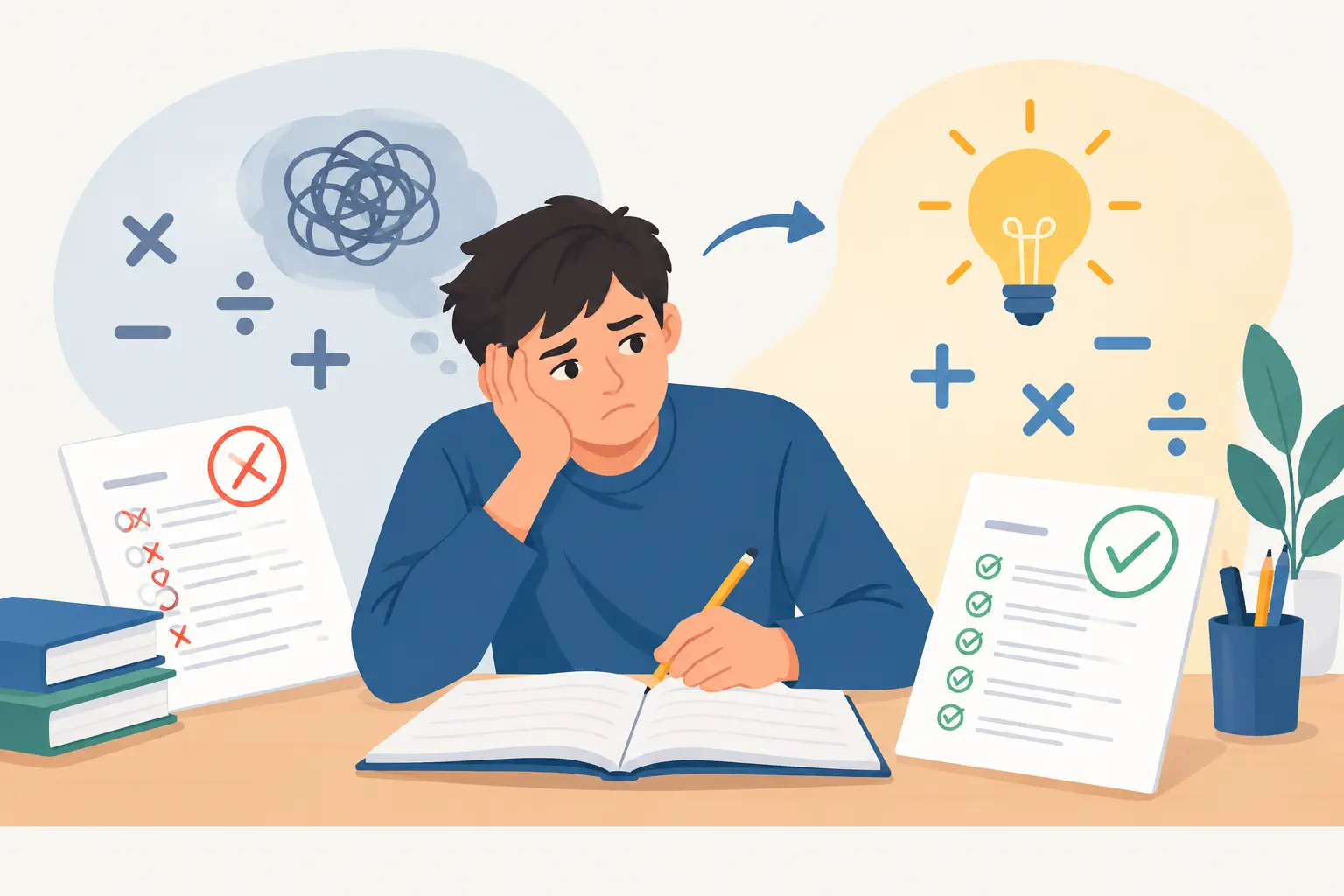
That perspective matters when a student says, “I understand the chapter, but I still lose marks.” Often, the issue is not a lack of effort. It may be weak question interpretation, incomplete working, vague explanations, poor time management, or an answer that does not address what the question is asking. An experienced Ex-MOE teacher is more likely to recognize these patterns because they have seen them repeatedly across different classes and ability levels.
For English, this can mean showing a student why a comprehension answer is not precise enough, rather than simply giving the correct response. For Math, it can mean finding the exact step where fractions, ratios, or algebra stop making sense. For Science, it can mean teaching students how to use the right scientific keywords and connect cause, process, and outcome in an open-ended answer.
This is practical teaching, not just content coverage. It helps students understand what stronger performance looks like on paper.
Are Ex-MOE Teachers Better at Preparing Students for Exams?
They can be, particularly when exam preparation is a priority. Ex-MOE teachers tend to be familiar with the difference between knowing a topic and applying it under timed conditions. They know that a student can complete a worksheet at home yet freeze when a question is phrased differently in an assessment.
Good exam preparation builds several habits at once. Students need solid concepts, reliable methods, exposure to different question types, and clear feedback on why marks were lost. They also need the confidence to attempt challenging questions rather than skipping them too early.
An effective teacher does not rely on drilling alone. Practice papers are useful only when the student reviews errors carefully. Why was the method wrong? Did the student misunderstand a keyword? Was the answer incomplete? Could the same mistake return in another chapter? A teacher with school-based experience can often connect those errors to the assessment standards students face.
Still, an Ex-MOE background is not a guarantee. A teacher may have strong knowledge but use explanations that move too quickly for a struggling learner. Another may be excellent with high-achieving students but less suited to rebuilding weak foundations. Credentials matter, but teaching fit matters too.
The Best Teacher Is Not Always the Most Impressive on Paper
Parents should look beyond job titles. A strong tutor makes a child feel challenged without feeling defeated. That balance is especially important for students who have begun to believe they are “not good” at Math, English, Chinese, or Science.
The best lessons are focused. Instead of rushing through every topic, the teacher pinpoints what is holding progress back. A Primary student may need to strengthen sentence construction before producing better compositions. A Secondary Math student may need to repair gaps in fractions and algebra before trigonometry becomes manageable. A Science student may know the facts but need a structure for answering application questions accurately.
Small classes can make this level of attention more realistic. In a class where the teacher knows each student’s common mistakes, feedback becomes specific: show the unit, define the term, support the point with evidence, or write the final answer in a complete sentence. These details can be the difference between an almost-correct response and a higher score.
A teacher should also communicate progress honestly. Parents deserve to know what their child is improving, what still needs work, and what can be practiced between lessons. Promises of instant As are not meaningful. A clear plan for stronger concepts, smarter exam technique, and steady improvement is.
When an Ex-MOE Teacher May Be the Right Choice
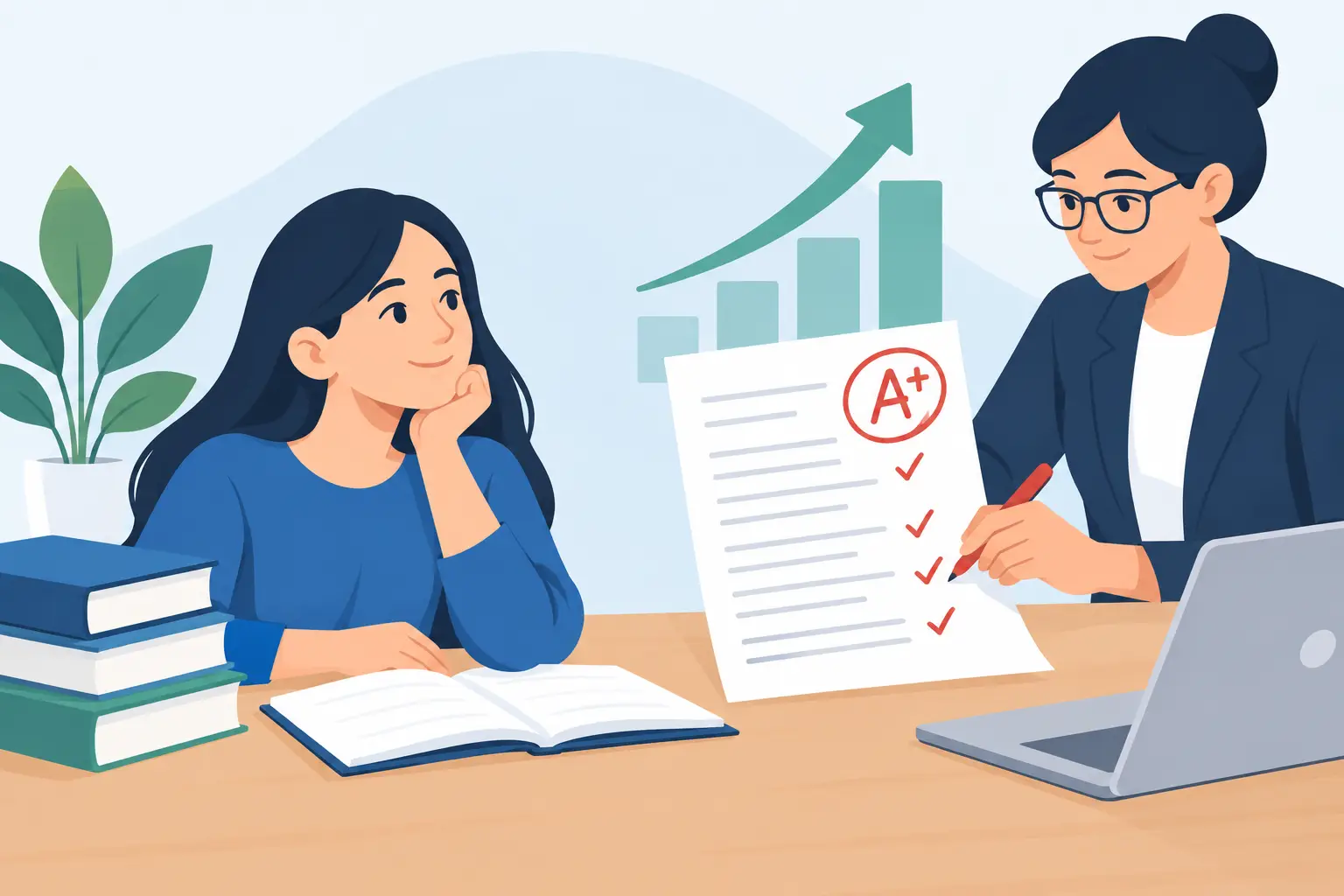
An Ex-MOE teacher can be particularly helpful when a student needs structure and a clear route forward. This includes students preparing for the PSLE, learners whose grades have slipped despite regular study, and capable students who want to move from an A to a High A.
For students who are behind, experienced teachers can separate the urgent gaps from the less important ones. A child does not need to relearn everything at once. They need the right starting point and a sequence that makes new learning feel possible. Once the basics become secure, confidence usually follows.
For stronger students, the focus often shifts from basic correctness to precision. They may need more demanding problem-solving, better organization in writing, deeper explanations in Science, or strategies for questions designed to stretch top performers. The right teacher should be able to raise the level without turning every lesson into pressure.
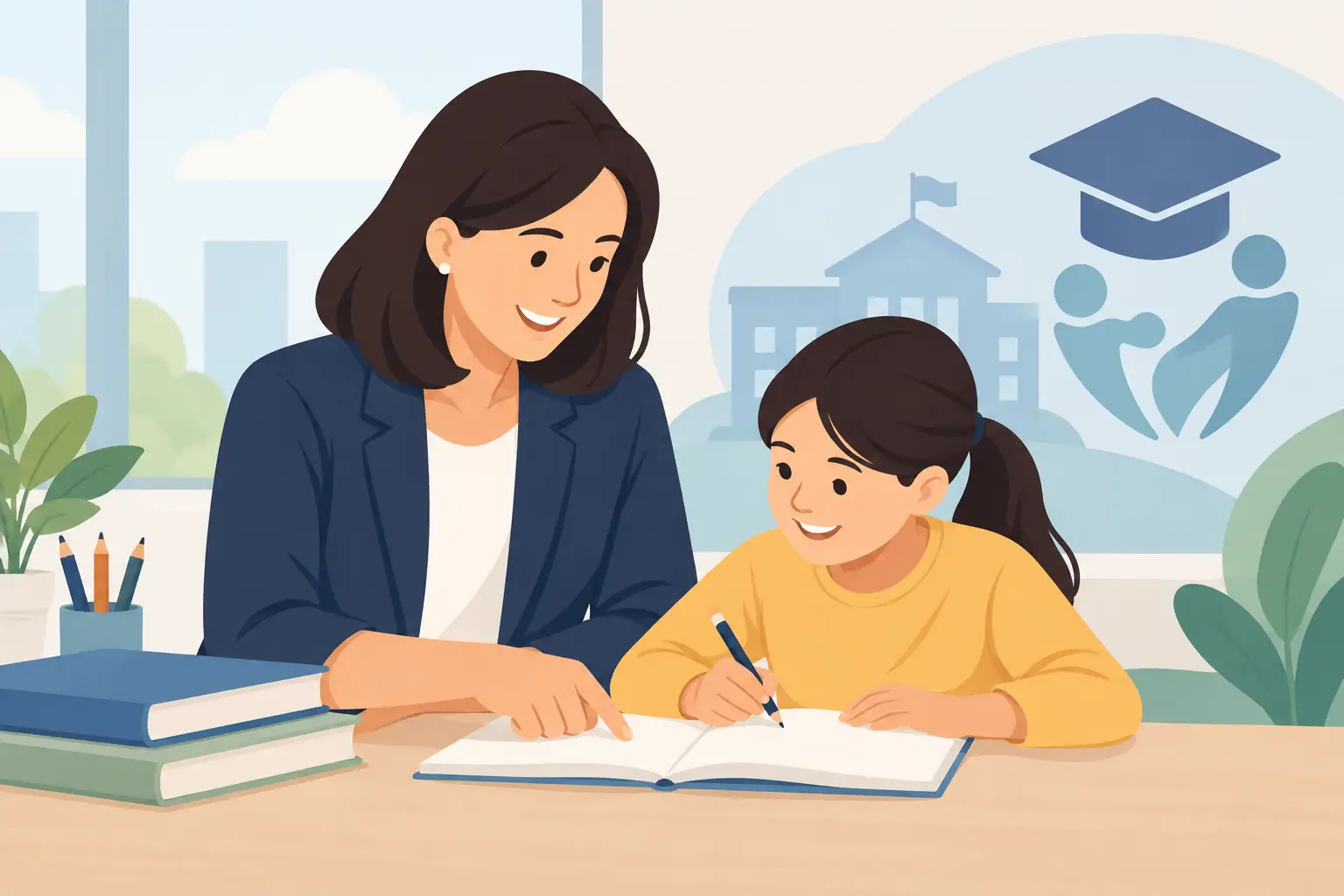
At Everyday Tuition, students learn in small groups with Ex-MOE teachers and doctorate-qualified educators who focus on school-ready skills, from English writing and comprehension to Math problem-solving and Science open-ended questions. The goal is straightforward: clearer understanding, stronger exam responses, and better grades built on real ability.
Questions Parents Should Ask Before Enrolling
The right conversation can tell you more than a credential alone. Ask how the teacher assesses a new student’s current level and how lessons change when a child is struggling with a specific topic. Ask how homework and test mistakes are reviewed, not just whether extra worksheets are provided.
You should also ask how the program prepares students for school assessments. Does it teach answer techniques for open-ended Science questions? Does it correct English writing in a way the student can apply next time? Does it explain Math methods step by step, including why each step works? The answers should be concrete.
It is also reasonable to ask about class size and support outside the lesson. Students often get stuck while doing homework, not only during class time. Access to teacher assistance and paper marking can prevent small misunderstandings from becoming repeated mistakes.
Finally, watch your child’s response after the first few lessons. They do not need to say every class is easy. Productive learning includes challenge. But they should gradually be able to explain what they learned, identify what they got wrong, and feel more willing to attempt questions independently.
Better Teaching Shows Up in What Your Child Can Do
A strong teacher helps a student become less dependent over time. Your child should begin to read questions more carefully, choose methods with greater confidence, and explain answers with more detail. These are signs that learning is becoming secure rather than memorized for one test.
Ex-MOE experience can provide a valuable head start because it brings knowledge of classroom realities and examination expectations. Yet the best result comes when that experience is paired with patient explanation, targeted practice, close feedback, and a genuine belief that every child can improve.
Choose the teacher who can see where your child is now, explain the next step clearly, and keep them moving toward the grades they are capable of earning.